


Relying on Google Ads recommendations is like using autocorrect on your phone; it’s helpful sometimes, but it doesn’t always know what you actually meant. Sure, Google’s built-in recommendations often promise smoother sailing with improved performance and boosted ROI, but are these suggestions always charting a course that aligns with your end goal?
As tempting as it might be to follow Google’s automated guidance, critical thinking, as always, has to be part of the process. Why? Because ultimately, the recommendations are driven by Google’s goal, not yours. The algorithms are designed to increase your spending with them, potentially at the expense of your marketing objectives and your budget.
As paid advertising experts, our team have put together this article to give you insight into why applying Google Ads recommendations without doing your due diligence might not be the wisest move, and how SMEs and marketing managers can optimise their results without overspending.
What are Google Ads recommendations?
When you log into your Google Ads account, you’ll often be met with some suggestions that Google states will boost the effectiveness of your campaigns. The recommendations take into account your past performance, your current campaign settings, and the current trends on Google.
Supposedly, the goal is to provide practical ideas that can boost aspects of your campaign e.g. conversions or clicks. That could include keyword choices, targeting strategies, bid amounts or how you allocate your budget. On the surface, these recommendations are valid, but they’re not necessarily the best way to optimise your campaign.
Why should I think twice before applying Google Ads recommendations?
As a digital marketing agency, we tell our clients that they should never auto-apply recommendations from Google Ads. And there’s more than one reason why.
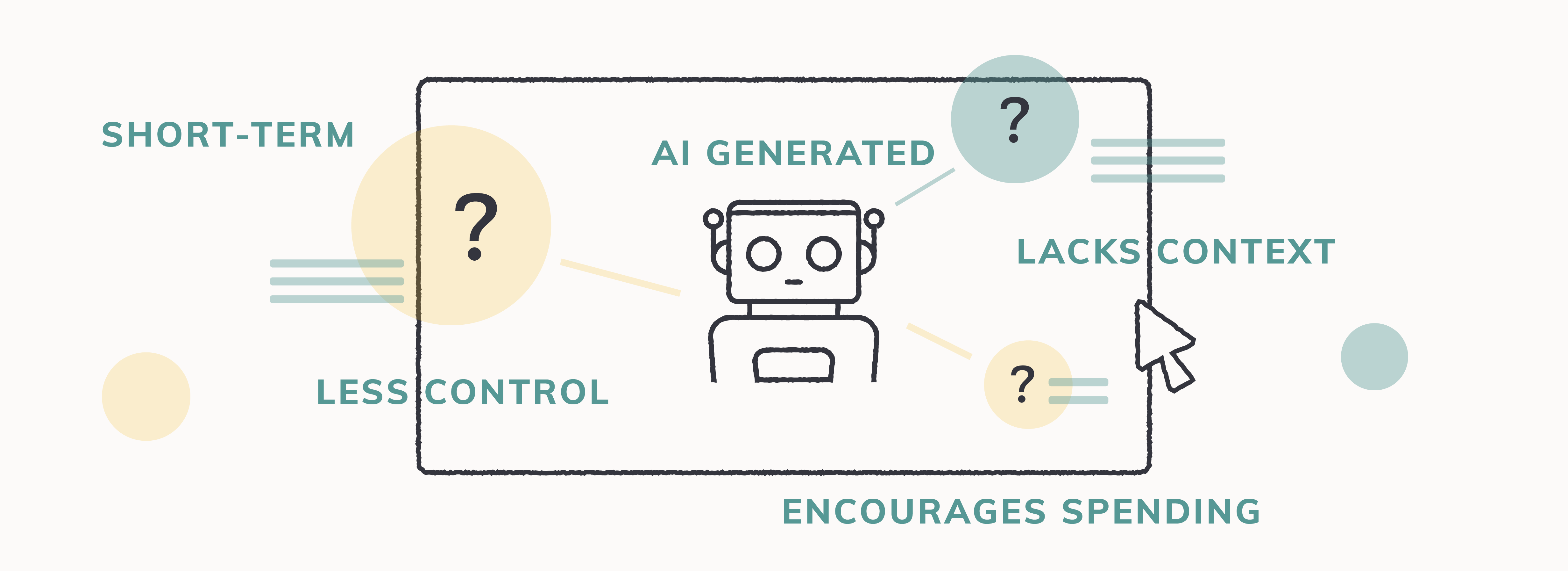
Its recommendations are AI-generated
No, sadly, there’s not a digital marketer on the other side of that screen giving you tailored Google Ad recommendations. As with so many things these days, it’s simply an AI bot using machine learning algorithms to give recommendations at scale. These systems have been designed to analyse huge volumes of data and cross-reference it against industry trends, user behaviour and historical performance to suggest ways you can improve your campaign’s performance.
But, while these suggestions can be helpful, they’re far from foolproof. AI doesn’t have access to any context about your business goals. By its very nature, it will prioritise short-term results over long-term engagement, or ‘clicks over conversations’. Google’s AI algorithms will always miss the nuance in your audience, marketing style or organisational objectives – treating your business like any other.
Its recommendations lack context
On the topic of nuance, Google Ad recommendations often miss that sweet spot that sits between subtle and sweeping keywords. Focused only on the data, Google would prefer to switch all of your keywords to broad match keywords, and often doesn’t balance these with appropriate negative keywords. This rather large oversight can end up flooding your campaign with irrelevant traffic, diluting the quality of your interactions and draining your ad spend on clicks that never convert.
In contrast, as an agency, we spend hours doing keyword research and cherry-picking the best, most effective keywords for a campaign, including the right match types.
It doesn’t prioritise budget management
Let’s face facts. Google is a business. Like any business, they want to make money, and they do that by getting you to spend more money advertising with them. It’s no surprise, then, that the recommendations are usually aimed at getting you to increase your budget or bids.
That’s not to say that you shouldn’t ever increase your budget, as when done right, it can improve visibility and get you better results. But if you take a haphazard approach, it can lead to overspending without a guaranteed return on investment.
You ultimately have less control
When you lean on Google Ads’ automated recommendations, you’re handing over the steering wheel of your campaign. Auto-applied strategies like “Maximise Conversions” or “Target CPA” might seem to optimise your ad spend, but they don’t always align with the objectives you set out to achieve in the first place.
Moving from manual to automated bidding is a relinquishing of your control and potentially leading your campaigns astray.
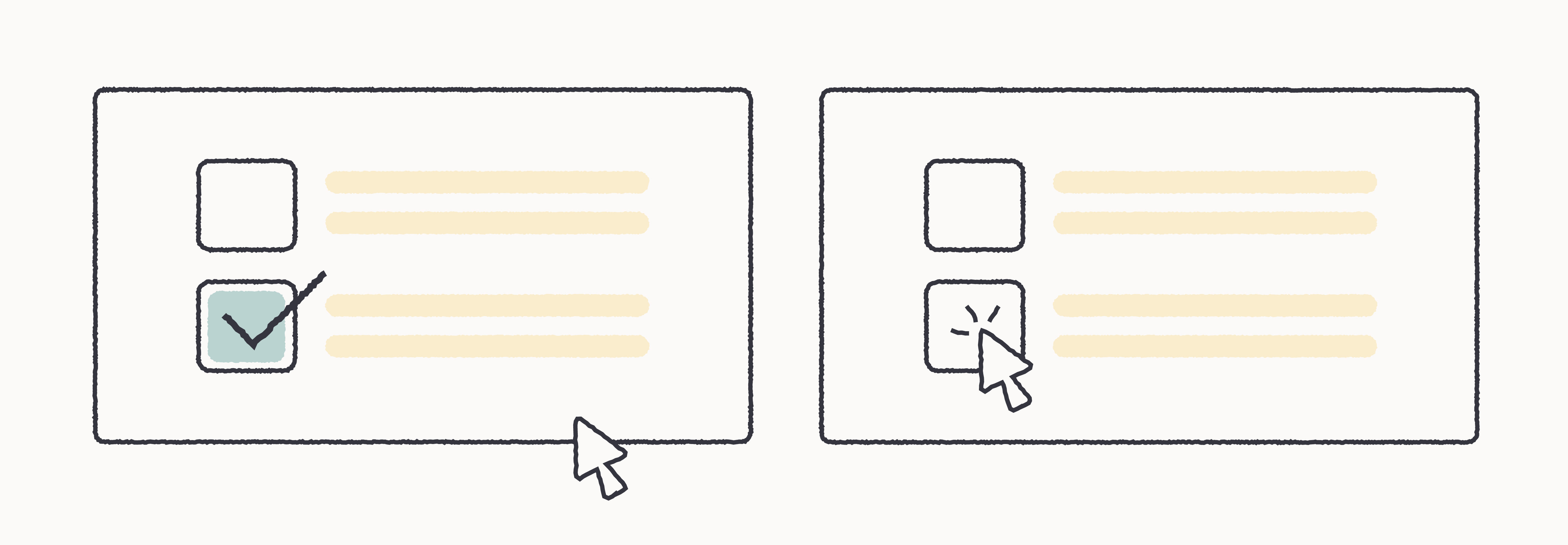
Make sure auto-apply recommendations are turned off.
Now that you know the risk of auto-applying Google recommendations, you might think you’re able to dodge a bullet. But worryingly, Google has created a feature that automatically applies its own recommendations, without you even getting the chance to review them at all.
You can turn this off by following these steps:
- Sign in to your Google Ads account.
- Click the Campaigns icon.
- Click Recommendations.
- Click Auto-Apply in the top right corner.
- Uncheck the recommendation you want to turn off.
- Click Save.
Leave it to the humans.
If you’ve talked to our team about AI, you’ll already know that we’re big advocates of using AI to complement, but never replace, humans. In our experience, the best results come from combining both – AI for data insights and automation and humans for creativity and strategic oversight.
An experienced digital marketer will always outperform AI in optimising Google Ads campaigns because they can combine their context-specific knowledge with their creative insights and ability to apply strategic thinking.
At Insight we become integrated into your business, so we understand what your goals and aspirations are. We then use that information to craft a Google Ads campaign that is unique to you. Because one-size-fits-all isn’t a strategy we believe in. For advice or support on your next campaign, get in touch with our team today.
Posted on: 24th Apr 2025


